How to Shave Your Back Without Help: A Solo Guide
Last Updated: October 23, 2026
Quick Summary
You can shave back without help by using a long-handled back shaver or electric trimmer, setting up mirrors for visibility, and applying shaving gel to damp skin. Start by trimming back hair to 1/4 inch, then shave in sections using light pressure, working from top to bottom and following natural hair growth direction.
- Use a long-handled back shaver or electric trimmer with adjustable guards designed specifically for back grooming
- Set up two mirrors positioned behind and in front of you with bright lighting to see your entire back
- Always trim back hair to 1/4 inch before shaving and shave damp skin with shaving gel for safety
- Shave in light passes following hair growth direction, checking for missed spots with mirrors and your hand
- Apply moisturizer within 5 minutes of shaving to prevent irritation and dryness
Table of Contents
- Why Solo Back Shaving Requires the Right Setup
- Essential Tools for Shaving Your Back Alone
- How to Trim Back Hair Before You Shave
- Shaving Back Hair Wet or Dry: What Works Best
- Step-by-Step Solo Back Shaving Technique
- Best Back Shaver for Men: Choosing Your Tool
- Back Shaving Aftercare and Skin Protection
- Common Solo Shaving Mistakes to Avoid
- Frequently Asked Questions
Why Solo Back Shaving Requires the Right Setup
Learning how to shave back without help is completely doable. But it requires planning and the right tools. Most people try with whatever razor they have at hand.
Your back is one of the hardest areas to groom alone. You can’t see most of it. Your arms don’t naturally bend that way.
The good news: once you have the right setup, solo back shaving becomes straightforward. You’ll need the right tool, a way to see what you’re doing, and a clear technique.
The biggest mistake people make is trying to shave their back with a regular handheld razor. If you prefer alternative methods, you can explore other back hair removal methods that work. Your arms simply don’t reach the middle and lower back safely. Invest in a long-handled tool designed for back grooming, and everything becomes easier.
Essential Tools for Shaving Your Back Alone
Successful back shaving starts with the right equipment. You need three things: a tool that reaches, a way to see, and something to protect your skin.
Long-handled back shavers and trimmers
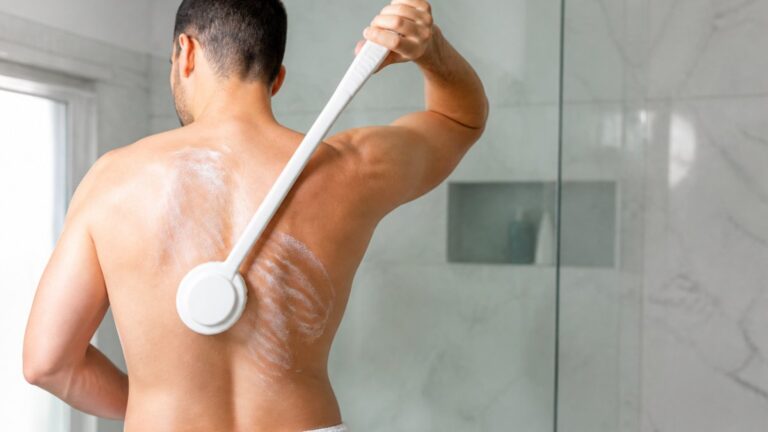
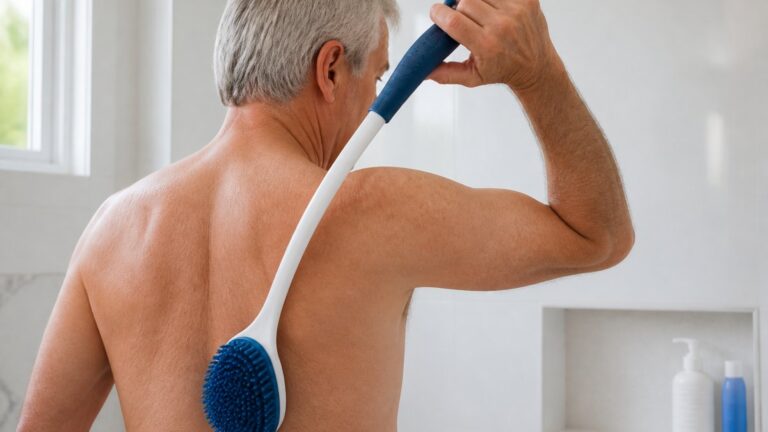
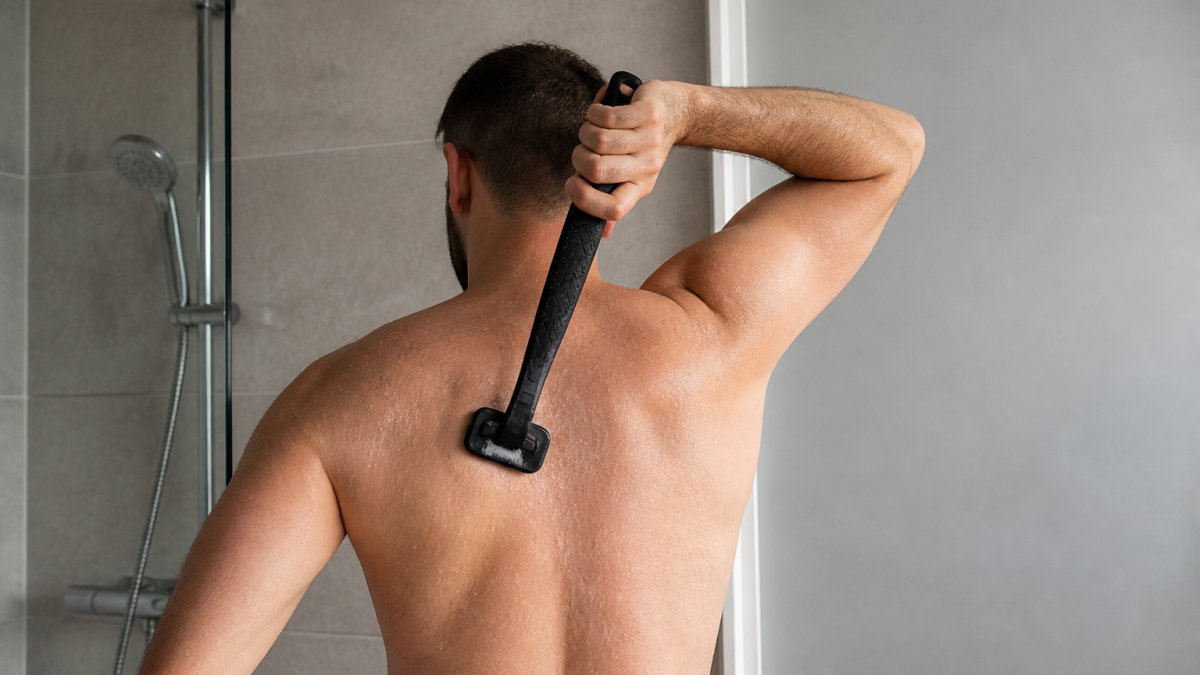
A long-handled back shaver is the foundation of solo back grooming. These tools extend your reach to areas your arms can’t access.
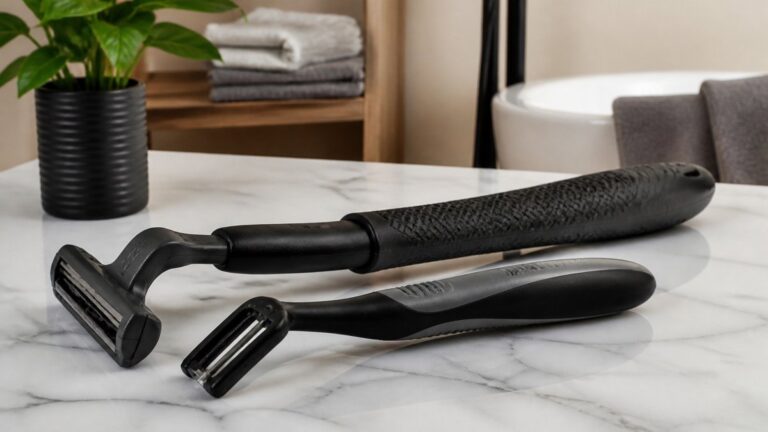
Electric trimmers are the safer choice for solo shaving. They have a fixed comb attachment that prevents nicks and cuts. You can adjust the guard length to control how short you cut.
Manual razors with long handles give you more control but require more care. They’re lighter and cheaper than electric tools. The trade-off is that you have less protection against cuts.
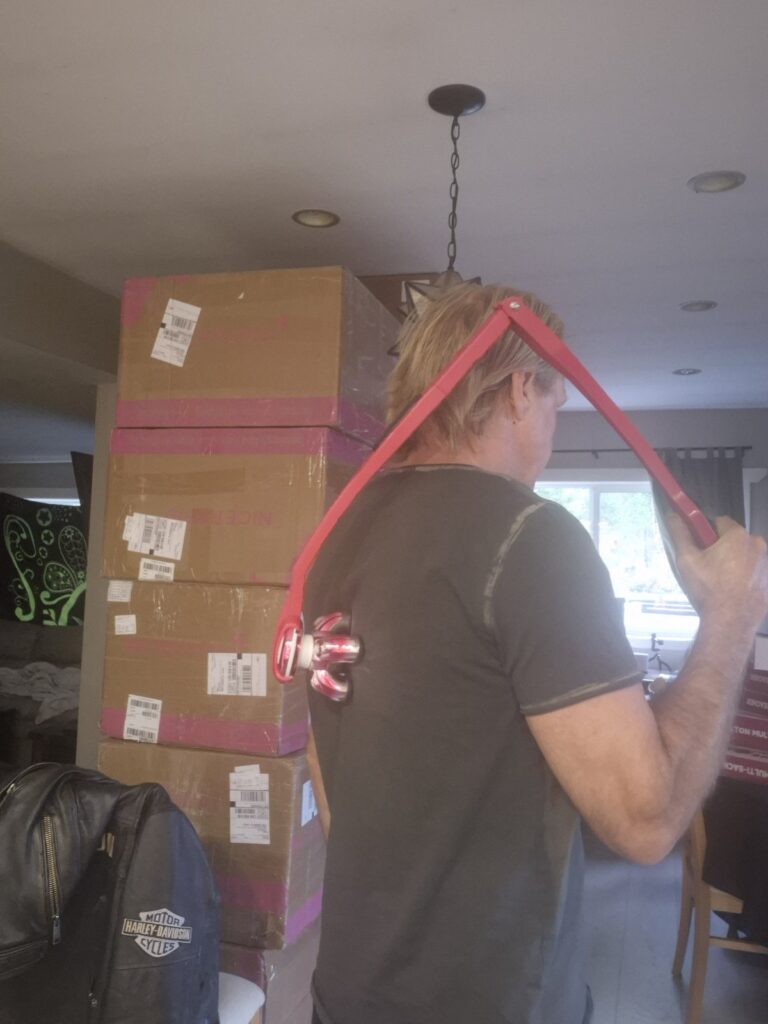
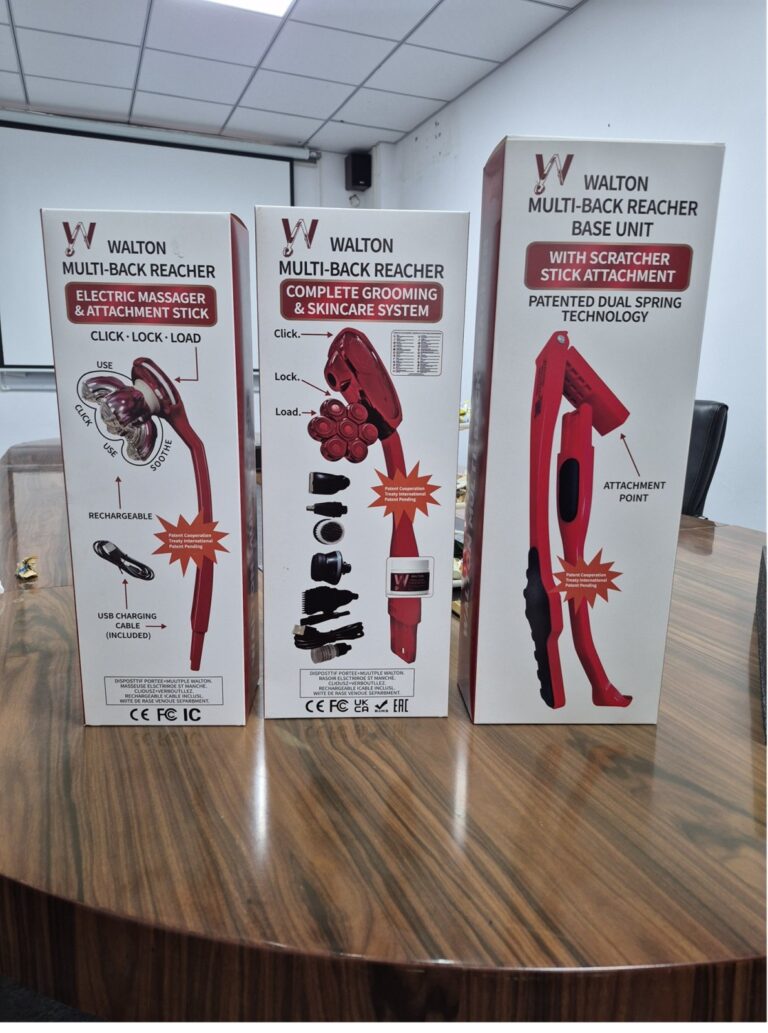
At Walton Multiback Reacher, we’ve designed our system specifically for people who need to groom their back alone. The electric shaver attachment for back grooming pairs with our base unit to give you reach, control, and safety in one system.
Mirror placement and visibility
You can’t shave what you can’t see. Proper mirror setup is essential for safe solo back shaving.
Use two mirrors if possible. Position one behind you and one in front. The mirror behind you shows your lower back and sides.
If you only have one mirror, position it behind you at roughly shoulder height.
Bathroom lighting matters more than you’d think. Bright overhead lights create shadows that hide spots you’ve missed. Use a combination of overhead and side lighting.
Trying to shave your back without seeing what you’re doing leads to missed spots and accidental cuts. Poor visibility is the #1 reason people struggle with solo back shaving. Invest 5 minutes in setting up mirrors and lighting before you start.
How to Trim Back Hair Before You Shave
Trimming comes before shaving. It makes the shaving process faster and safer.
Long back hair clogs razors and electric shavers. Trimmed hair shaves more cleanly.
Use a guard length of 1/4 inch to 1/2 inch as a starting point. This removes most of the bulk without cutting too short. You’ll finish with a close shave afterward if you want smooth skin. But trimming first prevents the tool from pulling or tugging on longer hair.
Pay special attention to your shoulders and upper back. Hair here is often thicker and longer. Make multiple passes if needed.
For your lower back, trim in the direction hair naturally grows. This reduces irritation.
After trimming, rinse your back with warm water. This removes loose hairs and prepares skin for shaving. Pat dry with a clean towel.
Shaving Back Hair Wet or Dry: What Works Best
Should you shave your back wet or dry? Wet shaving is the safer choice for solo grooming.
Wet skin is softer and more forgiving. Hair absorbs water and becomes easier to cut. Shaving gel or cream provides lubrication that reduces friction and irritation.
Dry shaving is faster but riskier. Your skin is less forgiving. Hair is stiffer. Razors catch more easily.
The best approach: shower first, trim your back hair, then shave while your skin is still damp.
Wet shaving reduces nicks and cuts by up to 50% compared to dry shaving. The lubrication and softer skin make a real difference, especially when you’re working alone and can’t see everything clearly.
Step-by-Step Solo Back Shaving Technique
Here’s the exact process we recommend for safe, effective solo back shaving.
Preparing your skin and hair
Start in a warm shower or after one. Warm water opens your pores and softens hair. Wash your back with soap or body wash.
Pat your back partially dry with a towel. You want damp skin, not dripping wet. Wet skin is hard to work on.
Apply a thin layer of shaving gel or cream to the area you’re about to shave. Use a product designed for body shaving, not face shaving.
Let the gel sit for 30 seconds. This softens the hair further.
Shaving upper back and shoulders
Start with your upper back and shoulders. These areas are easiest to reach and see.
Angle the shaver at 45 degrees to your skin. Use light pressure. Let the blade do the work. Pressing hard increases the risk of cuts and irritation.
Shave in the direction hair grows. For most people, this is downward on the upper back.
Pay attention to your shoulders. Hair here grows in different directions. Shave from the top of your shoulder downward and inward toward your spine.
Reaching the lower back and sides
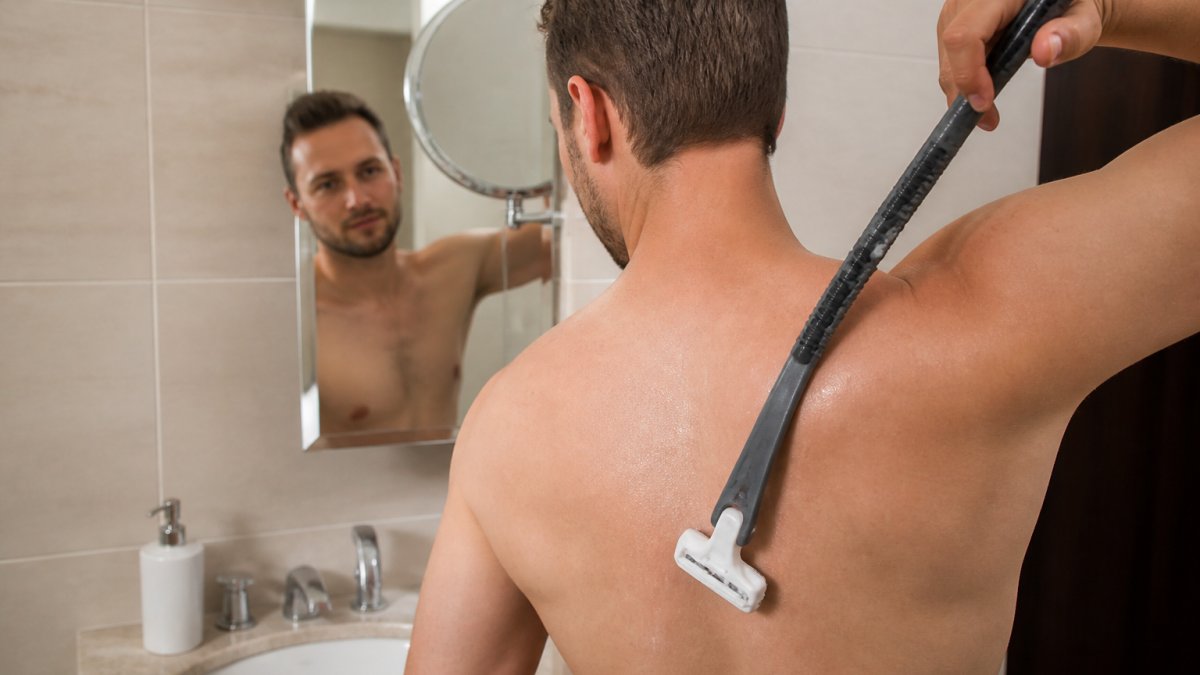
Your lower back is harder to reach. Use the long handle of your shaver to extend your reach.
Shave from the sides toward the center of your back. This follows the natural direction of hair growth. Work slowly.
For your sides, angle the shaver so it follows the curve of your body. Shave downward along your ribs and lower back.
If you’re using a long-handled tool like the Walton Multiback Reacher system, the constant resistance during angle changes keeps the blade stable.
Checking for missed spots
After shaving each section, use your mirrors to check for missed spots. Run your hand over the area you just shaved.
Use the handheld mirror to see your lower back and sides. Look for any areas that still feel stubbly or rough.
Don’t rush this step. Missed patches are frustrating. A few extra seconds of checking prevents having to redo sections.
Once you’ve shaved your entire back, rinse thoroughly with warm water. Use your hands to rinse away all shaving gel and loose hairs.
Best Back Shaver for Men: Choosing Your Tool
Not all back shavers work equally well for solo grooming. Here’s how to choose the right one.
Electric shavers with fixed guards are the safest option.
Long-handled manual razors work if you have good hand control. They’re lighter and cheaper.
Dedicated back shavers are designed specifically for this task. They have extended handles and angled heads.
The Walton Multiback Reacher system stands out because it combines reach, stability, and safety.
When choosing a tool, prioritize reach and control over price.
Back Shaving Aftercare and Skin Protection
What you do after shaving matters as much as the shaving itself. Proper aftercare prevents irritation and infection.
Rinse your back with cool water after shaving. This closes your pores and reduces irritation.
Apply a hydrating lotion or balm within 5 minutes of shaving. Learn how to apply lotion to hard-to-reach back areas for proper coverage and absorption. Your skin is most receptive right after shaving. A good moisturizer prevents dryness and irritation. Look for products without alcohol, which dries skin further.
For sensitive skin, use a product designed for post-shave care. These often contain soothing ingredients like aloe or chamomile.
If you notice redness or irritation, avoid shaving that area for a few days. Let your skin recover.
We recommend the natural tallow cream for back aftercare.
Apply moisturizer to your back immediately after shaving while your skin is still slightly damp (Optimal application method of a moisturizer on the basis of skin physiological functions). Damp skin absorbs hydration better than completely dry skin. This simple step reduces irritation by 30-40%.
Common Solo Shaving Mistakes to Avoid
Learning what not to do saves you time and prevents painful mistakes.
Pressing too hard. Pressure doesn’t equal a closer shave.
Skipping the mirror setup. You can’t shave what you can’t see.
Not trimming first. Long hair clogs shavers and pulls when you shave.
Rushing the aftercare. Moisturizing your back after shaving isn’t optional.
Ignoring sensitivity. If your back gets irritated easily, don’t try to push through it.
Here are the main pitfalls to watch out for when shaving your back alone.
| Mistake | Cause | Fix |
|---|---|---|
| Using the wrong tool | Face or leg razors don’t fit back grooming needs | Invest in a tool designed for back grooming |
| Shaving dry skin | Dry skin is less forgiving and hair is stiffer | Always use shaving gel and shave damp skin |
| Pressing too hard | Pressure increases cuts and irritation risk | Use light, even pressure and let blade work |
| Skipping mirror setup | Can’t see what you’re shaving | Set up two mirrors and proper lighting |
| Not trimming first | Long hair clogs shavers and pulls | Trim back hair to 1/4 inch before shaving |
| Rushing aftercare | Skipped moisturizing causes irritation | Apply lotion within 5 minutes of shaving |
| Ignoring sensitivity | Pushing through irritation worsens skin | Switch to longer guard or trim instead |
Frequently Asked Questions
What is the easiest way to shave back hair without help?
The easiest approach combines a long-handled back shaver with proper mirror placement. Trim hair first with a fixed-comb guard to reduce shaving time, prepare skin with warm water and shave gel, then work systematically from shoulders down. Use a mirror angled to see your lower back, and take your time on hard-to-reach areas. Electric trimmers are safer than razors for solo shaving because they reduce the risk of nicks and cuts in areas you cannot see clearly.
How do you avoid cuts and razor bumps when shaving your back?
Use a sharp blade or fresh trimmer head, as dull blades increase pressure and irritation risk. Apply shave gel or lubrication to soften hair and protect skin. Work with light pressure rather than pressing hard. Shave in the direction of hair growth, not against it, to reduce irritation. After shaving, rinse with cool water, pat dry gently, and apply a fragrance-free moisturiser. If you have sensitive skin or moles, take extra care around those areas or trim instead of shaving close.
Should you shave back hair wet or dry?
Shaving back hair wet is generally safer and more comfortable. Warm water softens hair and opens pores, making shaving easier and reducing skin irritation. Wet shaving also allows you to use shave gel or soap, which provides lubrication and visibility. Dry shaving is faster but carries a higher risk of cuts, razor burn, and ingrown hairs. If you choose to shave dry, use an electric trimmer with a guard rather than a wet razor to minimise injury risk.
What should you do after shaving your back?
Rinse your back with cool water to close pores and remove loose hair. Pat skin dry gently without rubbing. Apply a fragrance-free, hydrating moisturiser within a few minutes to prevent dryness and irritation. If you have sensitive skin, use a soothing aftershave balm or aloe vera. Avoid tight clothing for a few hours to let skin breathe. Exfoliate gently 2-3 days later to prevent ingrown hairs, and wait at least 24 hours before intense exercise or hot showers to avoid sweat-related irritation.
Solo back shaving is achievable once you have the right setup and technique. The key is choosing a tool designed for reach and control, setting up mirrors and lighting, and following a careful step-by-step process. Shaving back hair without help becomes routine once you’ve done it a few times. Start with our electric shaver attachment system, follow the steps in this guide, and you’ll have smooth, well-groomed back skin without needing assistance.