Relieving Back Tension Without Help at Home
Last Updated: October 25, 2026
Quick Summary
Relieving back tension without help is possible using stretches, self-massage, and core strengthening exercises done consistently at home. Knee-to-chest stretches, child’s pose, trigger-point pressure, and planks target tight muscles and build support for your spine.
- An estimated 619 million people worldwide experienced low back pain in 2020, with projections reaching 843 million by 2050.
- Prolonged sitting tightens hip flexors and hamstrings, which pulls on your lower back and creates tension.
- Hold stretches for 5 to 10 seconds and repeat 2 to 3 times for best results.
- Do core strengthening exercises 3 to 4 times per week for long-term relief and prevention.
- A 15-minute daily routine combining stretching, self-massage, and core work prevents tension from returning.
Table of Contents
- Understanding Back Tension and When to Self-Treat
- Stretches to Relieve Lower Back Pain
- Lower Back Stretches After Sitting
- Self-Massage for Back Tension
- Heat or Ice for Back Pain Relief
- Core Strengthening Exercises for Long-Term Relief
- Building Your Solo Back Maintenance Routine
- Setting Up Your Home for Back Care Success
- Frequently Asked Questions
Understanding Back Tension and When to Self-Treat
Back tension is a common problem. According to World Health Organization fact sheet on low back pain, an estimated 619 million people worldwide experienced low back pain in 2020, with projections reaching 843 million by 2050.
Back tension is the feeling of tightness, stiffness, or discomfort in your lower back muscles. It often develops from poor posture, prolonged sitting, or muscle fatigue.
This guide covers proven methods to reduce tension, strengthen your core, and build a routine you can do alone at home.
What causes back stiffness
Muscle tightness in your lower back happens for specific reasons. Sitting for long periods tightens your hip flexors and hamstrings, which pulls on your lower back.
Age also plays a role. As you get older, muscles lose flexibility naturally. Reduced activity makes this worse.
The key is understanding YOUR specific trigger. Is it sitting all day? Weak core strength? Poor posture?
Red flags that require professional care
Not all back tension is safe to treat at home. Stop self-treatment and see a doctor if you experience:
- Sharp, shooting pain down your leg (possible nerve involvement)
- Numbness or tingling in your legs or feet
- Loss of bladder or bowel control
These signs suggest something more serious than muscle tension. Professional evaluation is essential.
Stretches to Relieve Lower Back Pain
Stretching is one of the most effective ways to reduce back tension. According to a 2025 study on exercise interventions for low back pain, stretching exercises can lengthen lower-back and surrounding muscles and relieve symptoms.
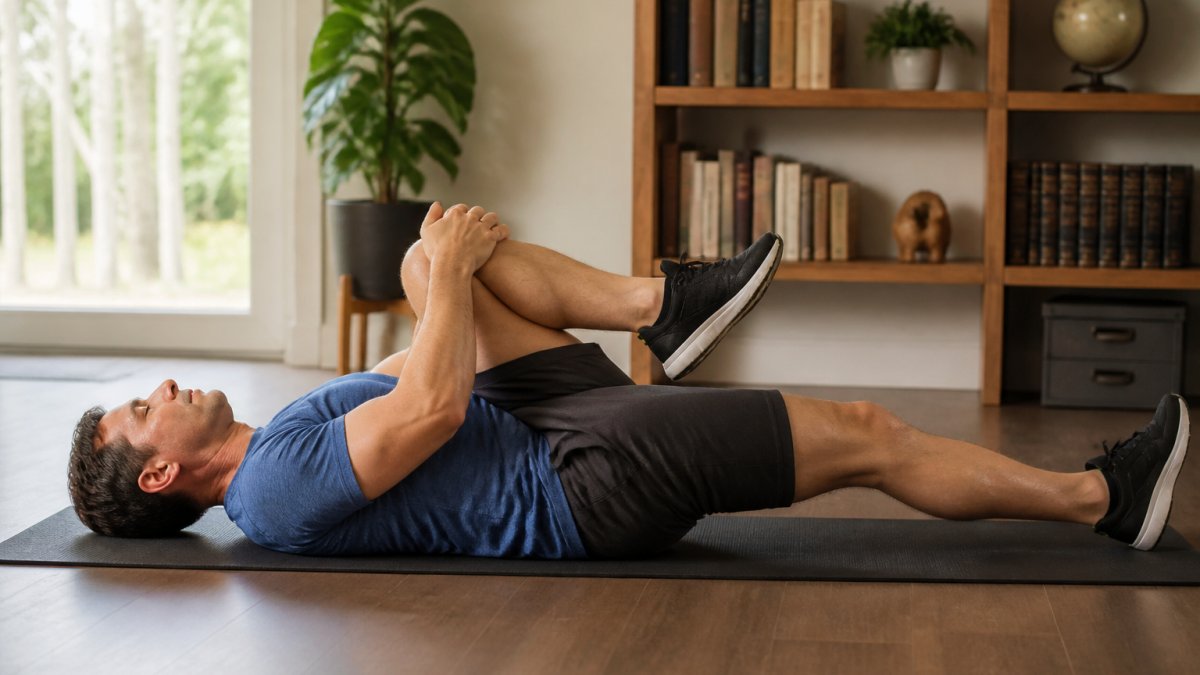
Knee-to-chest stretch
This stretch targets your lower back and glute muscles directly.
How to do it:
- Lie on your back on a mat or carpet
- Bend one knee and bring it toward your chest
- Clasp your hands around your thigh or shin
- Hold steady pressure for 5 to 10 seconds
- Relax and repeat 2 to 3 times
- Switch legs and repeat
This stretch is safe for most people. It gently lengthens the muscles in your lower back and releases tension. Do it twice daily for best results.
Lying knee twist
The lying knee twist stretches your lower back, glutes, and outer hip muscles.
How to do it:
- Lie on your back with both knees bent and feet flat
- Keep your shoulders on the floor
- Drop both knees to one side slowly
- Hold for 5 to 10 seconds
- Return to center and repeat on the other side
- Do 2 to 3 repetitions per side
This passive stretching approach works well for relieving back tension without help. The twist gently decompresses your spine and releases muscle tightness on both sides.
Child’s pose
Child’s pose is a yoga-inspired movement that lengthens your entire back.
How to do it:
- Start on your hands and knees
- Sink your hips back toward your heels
- Extend your arms forward
- Rest your forehead on the mat
- Breathe deeply and hold for 15 to 30 seconds
- Repeat 2 to 3 times
This pose stretches your back, shoulders, and hips all at once. It also promotes relaxation, which helps release tension held in tight muscles.
Hip flexor and hamstring stretches
Tight hip flexors and hamstrings pull on your lower back. Stretching these areas reduces that pull and eases back tension.
Hip flexor stretch:
- Kneel on one knee on a mat
- Step the other foot forward into a lunge position
- Push your hips forward gently
- Hold for 5 to 10 seconds
- Switch sides and repeat 2 to 3 times
Hamstring stretch:
- Sit on the floor with one leg extended
- Bend the other knee and place that foot flat on the floor
- Lean forward gently toward your extended leg
- Hold for 5 to 10 seconds
- Switch legs and repeat 2 to 3 times
Both stretches improve mobility and reduce the strain on your lower back.
These stretches target different areas of your back and surrounding muscles to reduce tension.
| Stretch | Target muscles | Hold time | Repetitions |
|---|---|---|---|
| Knee-to-chest | Lower back and glutes | 5 to 10 seconds | 2 to 3 times |
| Lying knee twist | Lower back, glutes, outer hips | 5 to 10 seconds | 2 to 3 per side |
| Child’s pose | Back, shoulders, hips | 15 to 30 seconds | 2 to 3 times |
| Hip flexor stretch | Hip flexors | 5 to 10 seconds | 2 to 3 times |
| Hamstring stretch | Hamstrings | 5 to 10 seconds | 2 to 3 times |
Lower Back Stretches After Sitting
Prolonged sitting is one of the biggest causes of back tension. Office workers, drivers, and anyone at a desk all day experience this problem.
Why prolonged sitting tightens your back
When you sit for hours, your hip flexors shorten. Your glute muscles become inactive. Your core muscles weaken from lack of engagement. Meanwhile, your lower back muscles work overtime to support your spine in a rounded position.
The longer you sit, the worse it gets. By the end of an eight-hour workday, your back is tight and fatigued.
Office-friendly stretches you can do in a chair
You don’t need to leave your desk to relieve back tension. These chair stretches work anywhere.
Seated spinal twist:
- Sit upright in your chair
- Cross your right leg over your left
- Place your left elbow on your right knee
- Gently twist your torso to the right
- Hold for 5 to 10 seconds
- Repeat on the other side, 2 to 3 times
Seated forward fold:
- Sit upright with feet flat on the floor
- Lean forward slowly, letting your arms hang
- Don’t force the stretch; go only as far as feels comfortable
- Hold for 10 to 15 seconds
- Repeat 2 to 3 times
Seated cat-cow stretch:
- Sit upright with hands on your knees
- Round your spine and drop your chin to your chest (cat pose)
- Hold for 3 seconds
- Then arch your back and lift your gaze (cow pose)
- Hold for 3 seconds
- Alternate 5 to 10 times
Do these stretches every hour when sitting for long periods. They prevent tension from building up.
Self-Massage for Back Tension
Self-massage targets specific tight spots and releases muscle tension quickly. Explore a detailed comparison of home massage tools to find the right one for your needs. Research shows exercise and self-care are important strategies for managing back pain, whether acute or chronic.
Trigger-point pressure techniques
Trigger points are tight knots in your muscles. Applying steady pressure to these spots releases tension.
How to find trigger points:
- Feel along your lower back for areas that feel tight or tender
- These are likely trigger points
- Press gently with your thumb or finger
- You should feel mild discomfort, not sharp pain
How to apply pressure:
- Use your thumb or a massage tool
- Press steadily into the trigger point
- Hold for 30 to 60 seconds
- Release and move to the next spot
- Repeat 2 to 3 times per session
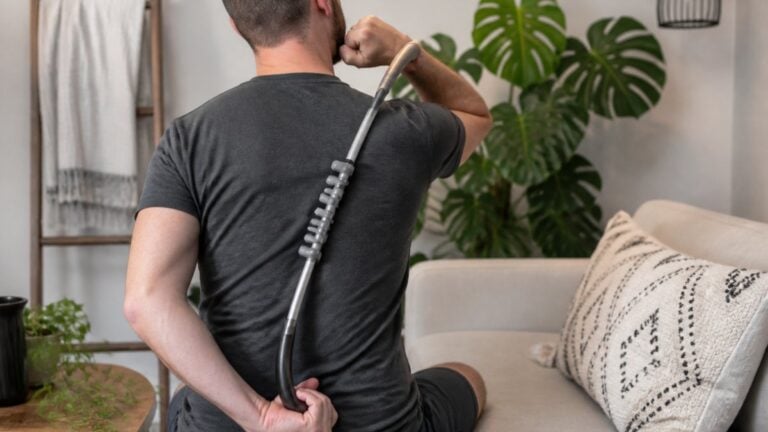
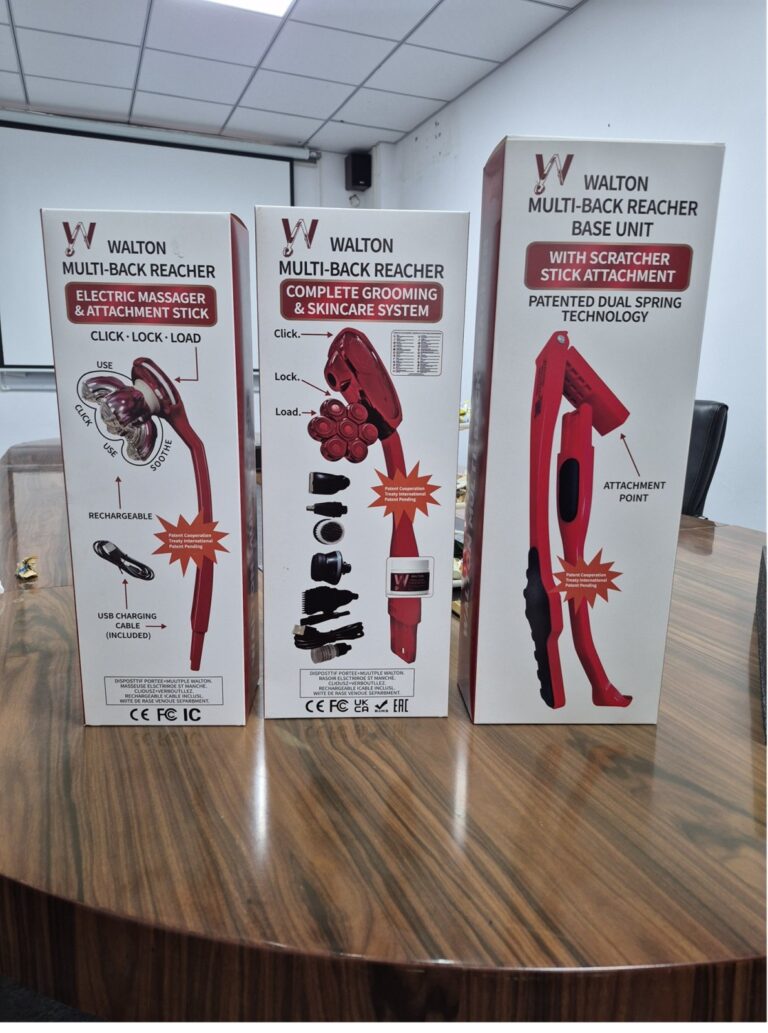
Trigger-point pressure works best when done consistently. An electric massager and attachment stick can deliver effective trigger-point pressure for solo back relief. Many people find relief after just a few sessions.
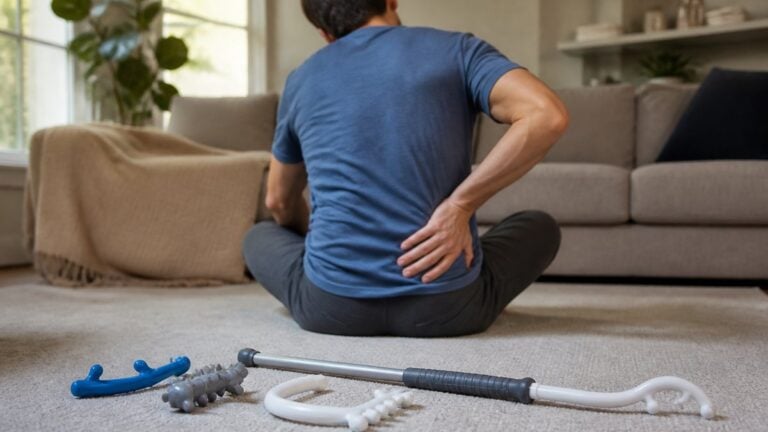
Tools for reaching your back alone
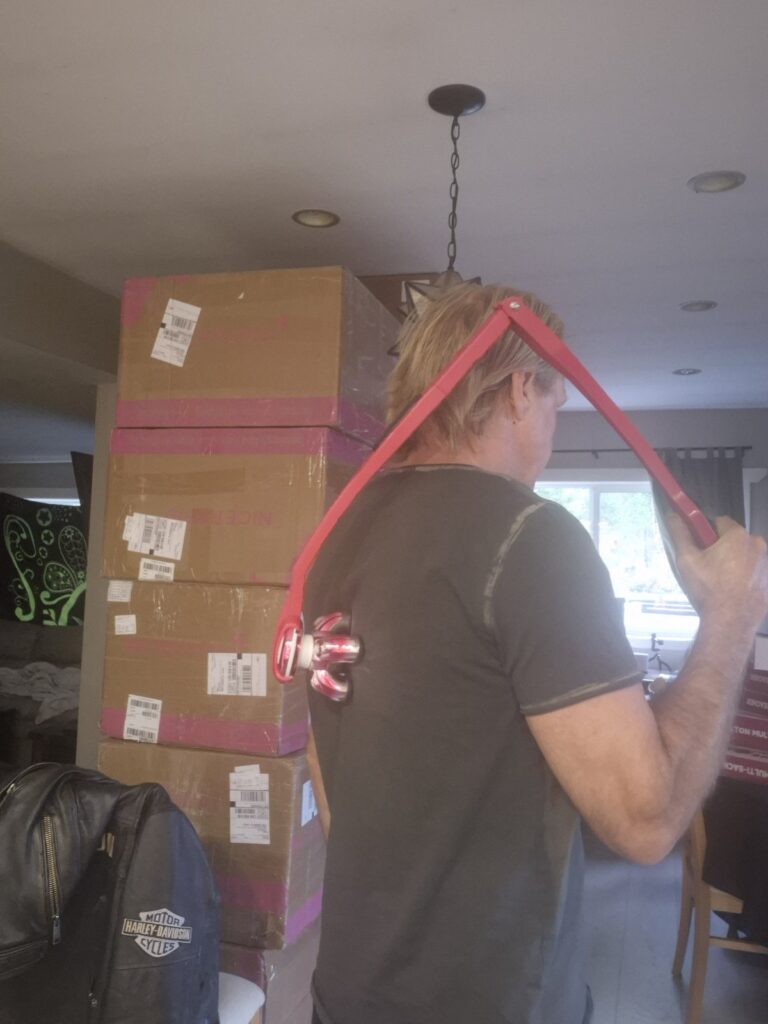
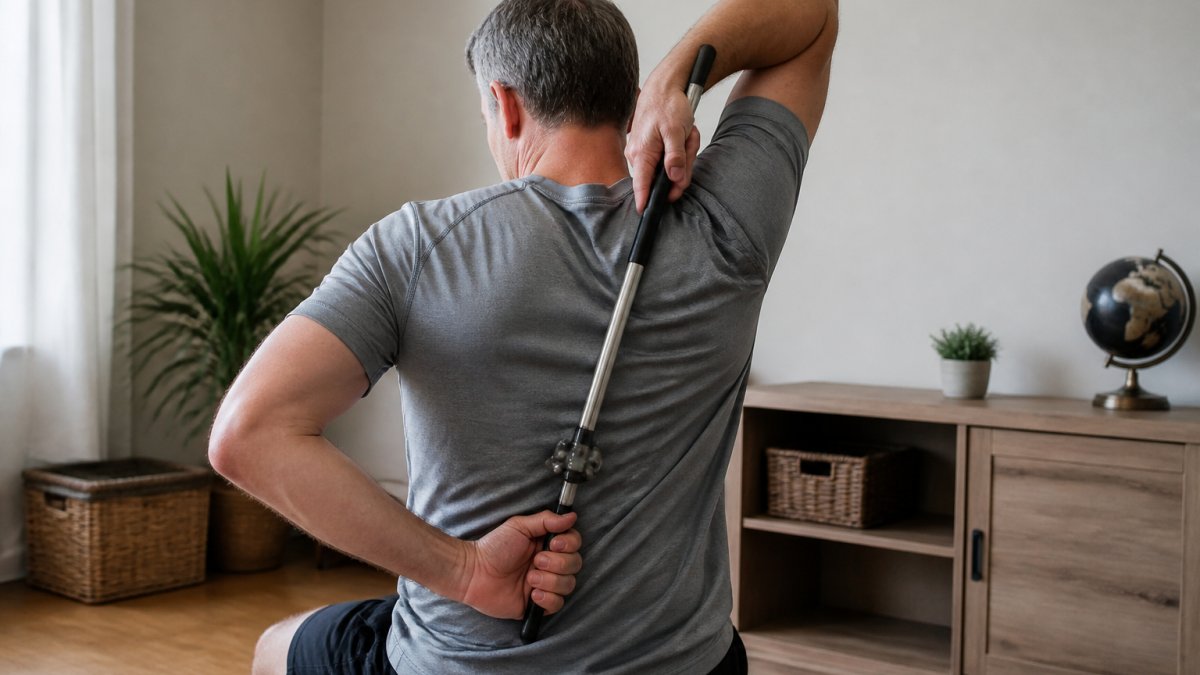
The challenge with self-massage is reaching your entire back. The Walton Multiback Reacher Massage Roller Attachment is designed for solo use to help you reach your back alone.
The Walton Multiback Reacher system is specifically designed for this. Its patented design offers constant resistance during angle changes, giving you superior flexibility compared to fixed-handle tools.
Heat or Ice for Back Pain Relief
Heat and ice both reduce back tension, but they work in different situations. Knowing when to use each one speeds your recovery.
When to use heat
Heat relaxes tight muscles and increases blood flow to the area. Use heat when:
- Your back feels stiff or tight
- You have chronic tension (pain lasting more than six weeks)
- Your muscles feel fatigued
Heat therapy works best for muscle tension without recent injury. Apply heat for 15 to 20 minutes at a time.
When to use ice
Ice reduces inflammation and numbs sharp pain. Use ice when:
- You have acute pain (sudden onset within 48 hours)
- Your back is swollen or inflamed
- You have sharp, shooting pain
Ice works best in the first 48 hours after injury. Apply ice for 10 to 15 minutes at a time.
Many people benefit from alternating heat and ice. Try 15 minutes of heat followed by 10 minutes of ice for stubborn tension.
Core Strengthening Exercises for Long-Term Relief
Stretching alone won’t solve chronic back tension. You need core strength to support your spine and prevent future problems.
Your core includes your abdominal muscles, lower back muscles, and hip muscles. A strong core reduces strain on your lower back.
Planks:
- Start in a push-up position with forearms on the ground
- Keep your body straight from head to heels
- Hold for 20 to 30 seconds
- Rest and repeat 2 to 3 times
- Gradually increase hold time each week
Dead bugs:
- Lie on your back with arms extended toward the ceiling
- Bend your knees to 90 degrees
- Slowly lower your right arm and left leg toward the floor
- Return to start and repeat on the other side
- Do 10 repetitions per side
Bird dogs:
- Start on hands and knees
- Extend your right arm and left leg straight out
- Hold for 3 seconds
- Return to start and repeat on the other side
- Do 10 repetitions per side
Do these exercises 3 to 4 times per week. Consistency matters more than intensity.
Building Your Solo Back Maintenance Routine
A daily routine prevents tension from returning. Consistency is key to long-term relief.
Sample 15-minute daily routine
Minutes 0-3: Warm-up
- Gentle walking or light movement to increase blood flow
Minutes 3-8: Stretching
- Knee-to-chest stretch: 1 minute
- Lying knee twist: 1 minute
- Child’s pose: 2 minutes
Minutes 8-12: Self-massage
- Trigger-point pressure on tight spots: 4 minutes
Minutes 12-15: Core work
- Planks or dead bugs: 3 minutes
Do this routine every morning or evening. Many people find evening routines help them sleep better.
How to progress safely
Start with gentle stretching and light pressure. Gradually increase intensity over weeks, not days.
Week 1-2: Focus on stretching. Hold each stretch for 5 seconds.
Week 3-4: Add self-massage. Use light to medium pressure.
Week 5-6: Increase stretch hold time to 10 seconds. Add core exercises.
Week 7+: Progress core exercises by adding repetitions or hold time.
Watch out: Sharp pain is a stop signal.
Setting Up Your Home for Back Care Success
Your environment affects your back health. Small changes make a big difference.
Desk and chair setup:
- Chair height should let your feet rest flat on the floor
- Monitor should be at eye level
- Keyboard and mouse should be at elbow height
Sleeping position:
- Sleep on your side or back, not your stomach
- Use a pillow that supports your neck
- A pillow under your knees reduces lower back strain
Daily habits:
- Stand and stretch every hour
- Avoid heavy lifting or twisting motions
- Wear supportive shoes
Tools for self-care:
- A yoga mat for stretching
- A foam roller or massage tool
- A heating pad or ice pack
When you’re ready to enhance your back maintenance routine, learn how back care tools fit into a comprehensive self-care strategy for sustained relief and prevention.
Frequently Asked Questions
How long should I hold stretches when relieving back tension?
Hold each stretch for 5 to 10 seconds and repeat 2 to 3 times, according to guidance from Mayo Clinic. Gentle, sustained stretching helps lengthen lower-back and surrounding muscles without forcing movement. Start with shorter holds and gradually increase duration as your flexibility improves. Never bounce or push into sharp pain.
Can self-massage for back tension actually reduce pain, or is it just temporary relief?
Self-massage using steady pressure on trigger points can provide both immediate comfort and longer-term relief when combined with stretching and strengthening. Applying steady pressure to tight muscles helps release tension and improve blood flow. For best results, use self-massage 3 to 4 times per week alongside stretches and movement to address the underlying stiffness.
When should I seek professional care instead of treating back tension at home?
Seek professional help if you experience severe pain, numbness or tingling in your legs, loss of bladder or bowel control, pain after an injury or fall, or symptoms that worsen despite home care after 2 weeks. These signs may indicate a condition requiring medical evaluation. Home care works best for mild to moderate muscle tightness and stiffness related to posture, sitting, or age-related stiffness.
Should I use heat or ice first when my back tension flares up?
Use ice for the first 24 to 48 hours after acute injury or sudden flare-up to reduce inflammation. After the initial phase, switch to heat to relax tight muscles and improve circulation. For chronic tension unrelated to recent injury, heat is usually more effective. Apply heat or ice for 15 to 20 minutes at a time, and always place a towel between the source and your skin.
Relieving back tension without help is achievable when you combine stretching, self-massage, and core strengthening. The Walton Multiback Reacher system simplifies solo back care with its patented constant-resistance design, ergonomic silicone grip, and interchangeable massage attachments. Get started with Walton Multiback Reacher and build a sustainable routine that keeps your back healthy for years to come.